
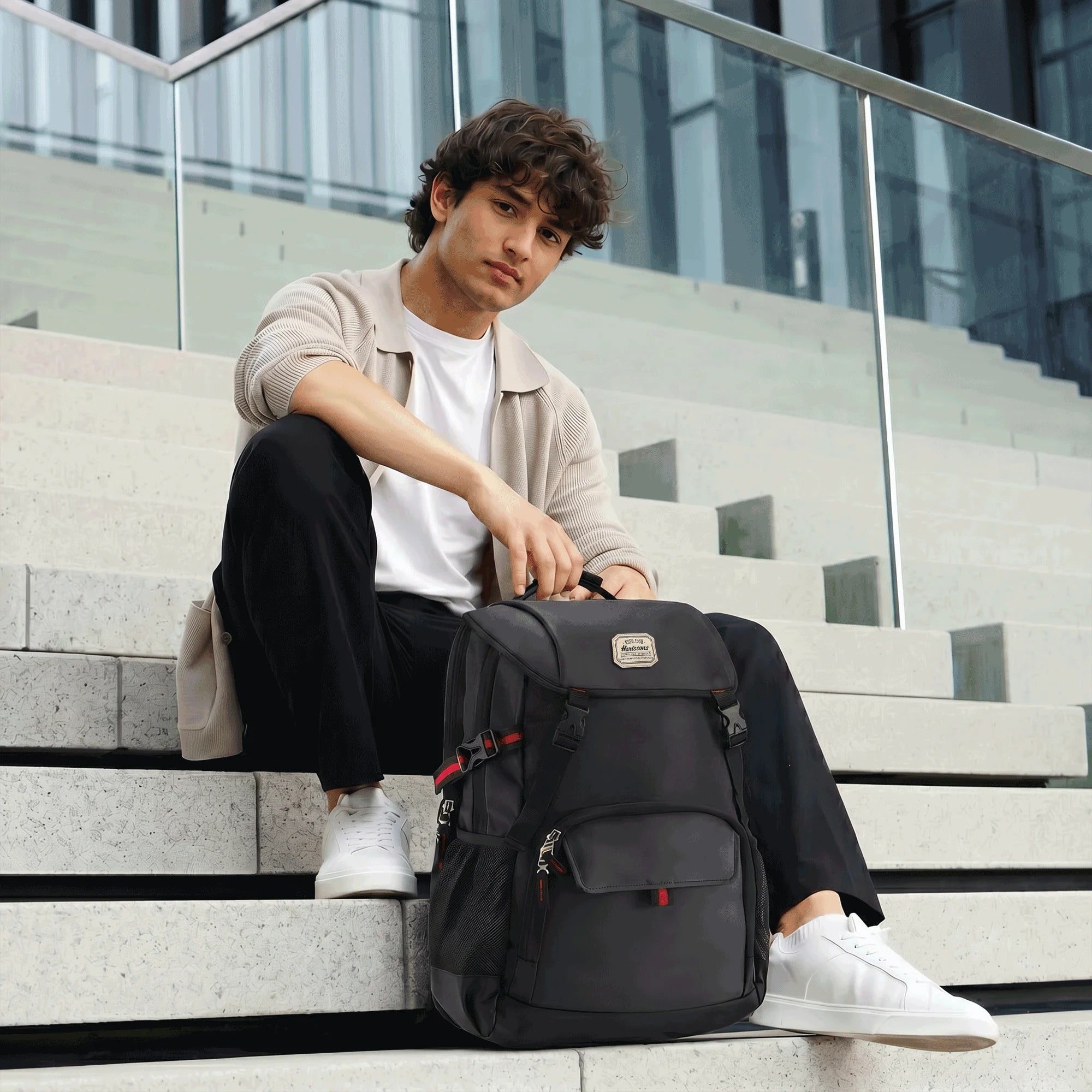







Fortunately, keeping your bag in excellent condition doesn't require expensive products or complicated techniques. With a few simple habits and regular maintenance, you can extend your backpack's lifespan while ensuring it stays clean and hygienic. Since damp conditions encourage mold growth, it's worth following basic moisture-control practices recommended by the U.S. Environmental Protection Agency (EPA). This backpack care guide covers practical monsoon backpack care techniques, cleaning methods, and storage tips to help your backpack remain fresh throughout the rainy season.
Tip 1: Protect Your Backpack from Rain
Choose the Right Material
The first step in effective monsoon backpack care is choosing the right backpack. While no backpack is completely immune to harsh weather, a water-resistant backpack provides excellent protection against light rain and splashes. If you frequently commute during heavy rainfall, investing in a waterproof backpack or a rainproof backpack offers additional protection for electronics, documents, and clothing.
Knowing how to protect backpack from rain starts with prevention. Whenever possible, avoid placing your bag directly on wet surfaces and use a rain cover if your backpack doesn't include one.
Tip 2: Dry Your Backpack Properly After Every Rain
Never Store a Damp Backpack
One of the biggest mistakes people make is storing a damp bag immediately after reaching home.
Understanding how to dry a wet backpack is essential for preventing moisture damage. Empty all compartments, open every zipper, and allow the backpack to air dry naturally in a well-ventilated area. Avoid using direct sunlight for prolonged periods, as excessive heat may weaken certain fabrics and fade colors.
Following these simple backpack drying tips helps remove moisture from backpack materials before mold has a chance to develop.
Tip 3: Clean Your Backpack Regularly
Many people wait until their backpack looks dirty before washing it, but regular maintenance is much more effective.
Learning how to clean a backpack begins with checking the manufacturer's care instructions. Most fabric backpacks can be cleaned using mild soap, lukewarm water, and a soft cloth or sponge. Focus on high-contact areas such as shoulder straps, handles, and interior compartments.
Simple backpack cleaning tips performed every few weeks prevent dirt, sweat, and bacteria from building up, especially during humid weather.
Avoid harsh detergents or bleach, as they may damage waterproof coatings and fabric finishes.
Tip 4: Prevent Odors Before They Start
Keep the Interior Clean
One common complaint during the rainy season is backpack smell after rain. Damp clothes, food containers, and moisture trapped inside the bag often cause unpleasant odors.
To improve backpack odor removal, empty your backpack every evening and wipe the interior with a dry cloth. Leaving compartments open overnight improves airflow and reduces humidity inside the bag.
Adding a small moisture absorber or silica gel packet can also help maintain freshness.
This simple habit is one of the easiest ways to keep backpack fresh during monsoon.
Tip 5: Prevent Mold and Fungus Growth
Store Your Backpack Correctly
One of the biggest concerns during the rainy season is mold. Learning how to prevent mold in backpack and prevent fungus in backpack can significantly extend the life of your bag. The Centers for Disease Control and Prevention (CDC) recommends keeping items clean and completely dry to reduce mold growth in damp environments.
After cleaning or drying your backpack, store it in a cool, dry, and well-ventilated area. Avoid leaving it inside a damp cupboard, the trunk of your car, or directly on the floor where moisture can accumulate. If you won't be using the backpack for several days, place silica gel packets or moisture absorbers inside the compartments to keep the interior dry.
Proper wet backpack care isn't just about drying the outside—it also means ensuring the lining, pockets, and hidden compartments remain completely moisture-free. These simple backpack maintenance tips help prevent unpleasant odors and fabric deterioration over time.
Tip 6: Empty and Organize Your Backpack Daily
Avoid Moisture Build-Up
Many people leave damp clothes, used towels, food wrappers, or water bottles inside their backpacks after a long day. Over time, these items create the perfect environment for bacteria and unpleasant smells.
As part of your rainy season backpack care, empty your backpack every evening and inspect each compartment. Remove unnecessary items, wipe away any moisture, and leave the zippers open for a few hours to improve airflow.
A well-organized monsoon backpack is easier to maintain because dirt and moisture are less likely to remain trapped inside hidden pockets. Regular organization also helps you spot leaks or damaged items before they affect the entire bag.
If your backpack includes a dedicated laptop sleeve or organizer pockets, keep electronics and important documents inside waterproof pouches for extra protection during heavy rain.
Tip 7: Choose an Easy-to-Clean Backpack
Invest in Long-Term Convenience
If you're planning to buy a new backpack, consider selecting an easy-to-clean backpack made from durable, water-resistant materials. Modern backpacks often feature coated fabrics, water-repellent zippers, and stain-resistant interiors that simplify maintenance throughout the monsoon season.
A quality water-resistant backpack requires less frequent cleaning because dirt and water remain on the surface rather than soaking into the fabric. Professionals, students, and frequent travelers can also benefit from a rainproof backpack, which provides better protection for laptops, books, and other valuables.
Choosing a backpack that is both practical and durable saves time while reducing maintenance efforts throughout the year.
Final Thoughts
The rainy season doesn't have to shorten the life of your favorite backpack. With regular monsoon backpack care, proper cleaning, and smart storage habits, you can keep your backpack fresh, hygienic, and ready for daily use.
Whether you own, a water-resistant backpack, or a lightweight commuter bag, simple practices like learning how to clean a backpack, how to dry a wet backpack, and how to protect backpack from rain can make a significant difference.
By following these seven practical tips, you'll successfully remove moisture from backpack compartments, prevent odors, reduce mold growth, and improve your backpack's overall durability. Consistent backpack maintenance tips not only keep your bag looking its best but also protect your belongings throughout the monsoon season.
FAQs
-
How do I keep my backpack fresh during monsoon?
Clean your backpack regularly, dry it thoroughly after rain exposure, empty all compartments daily, and store it in a dry, well-ventilated place. -
How do I remove bad smells from my backpack?
For effective backpack odor removal, wipe the interior with a damp cloth, let it air dry completely, and use silica gel packets or odor absorbers to reduce moisture. -
How can I prevent mold in my backpack?
To prevent mold in backpack, never store it while wet. Dry all compartments completely and keep the backpack in a cool, dry environment. -
Is a water-resistant backpack enough for monsoon?
A water-resistant backpack is suitable for light rain, while a waterproof backpack or rainproof backpack provides better protection during heavy downpours. -
How often should I clean my backpack during the rainy season?
Light cleaning every two to three weeks and immediate drying after rain exposure will help maintain backpack hygiene and extend its lifespan.