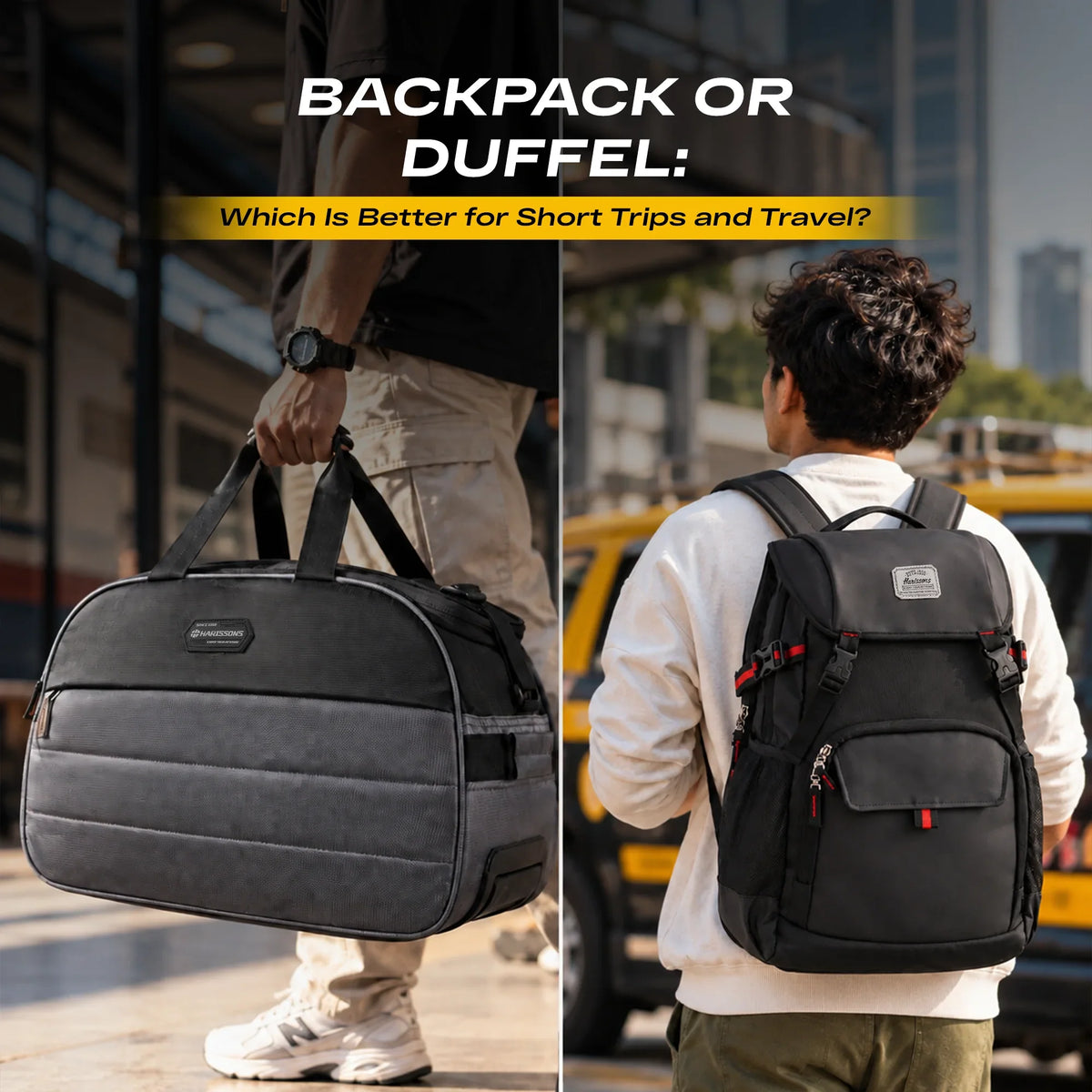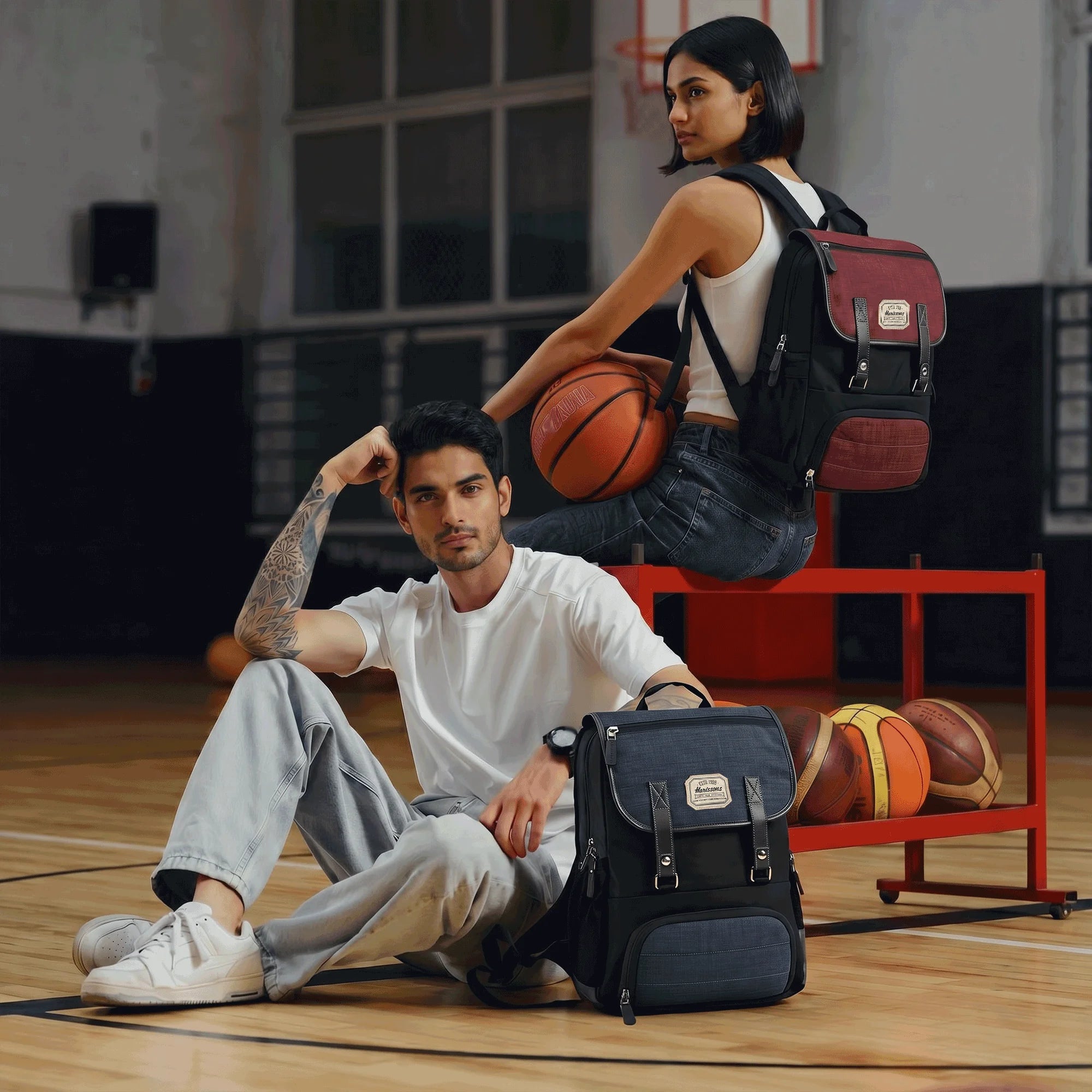
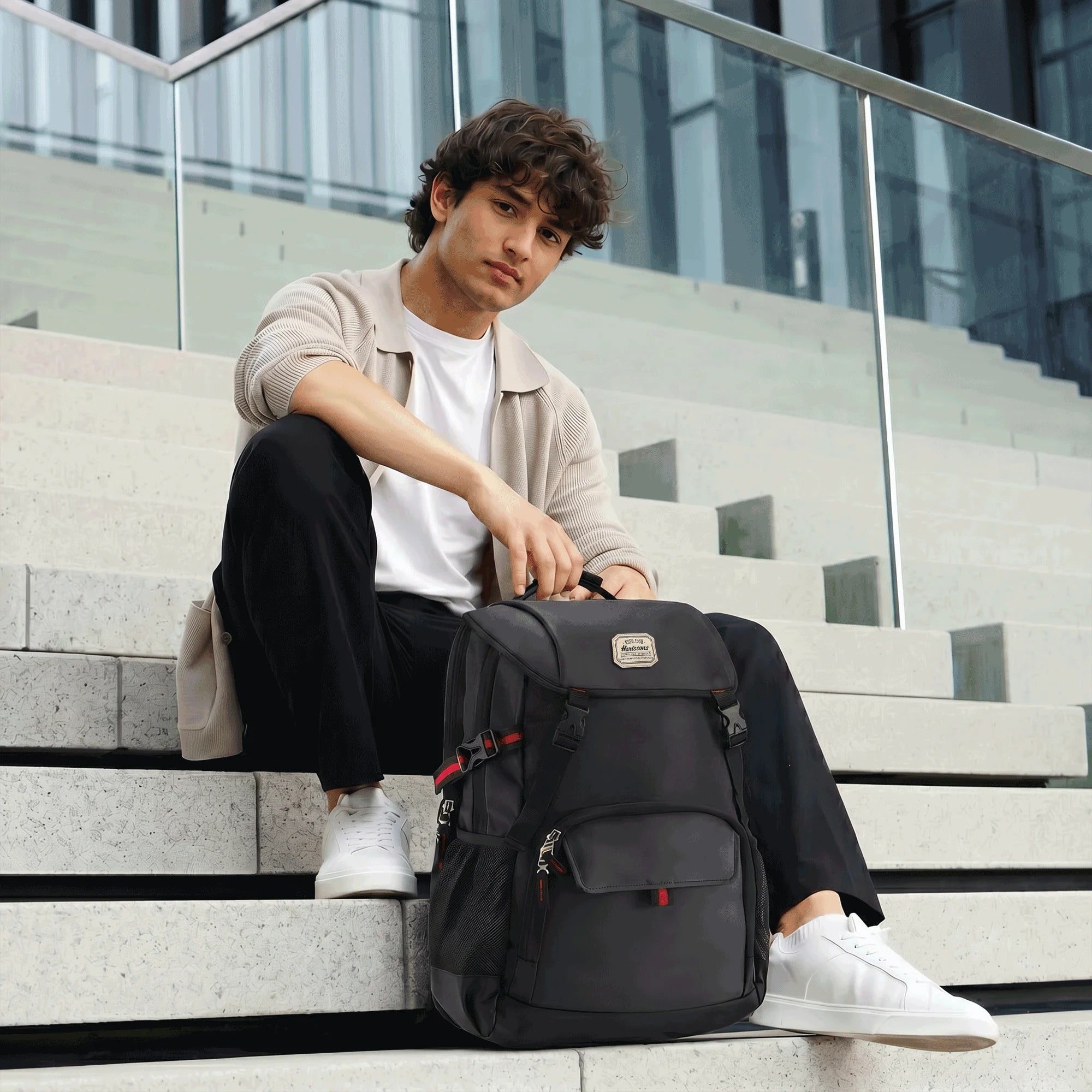
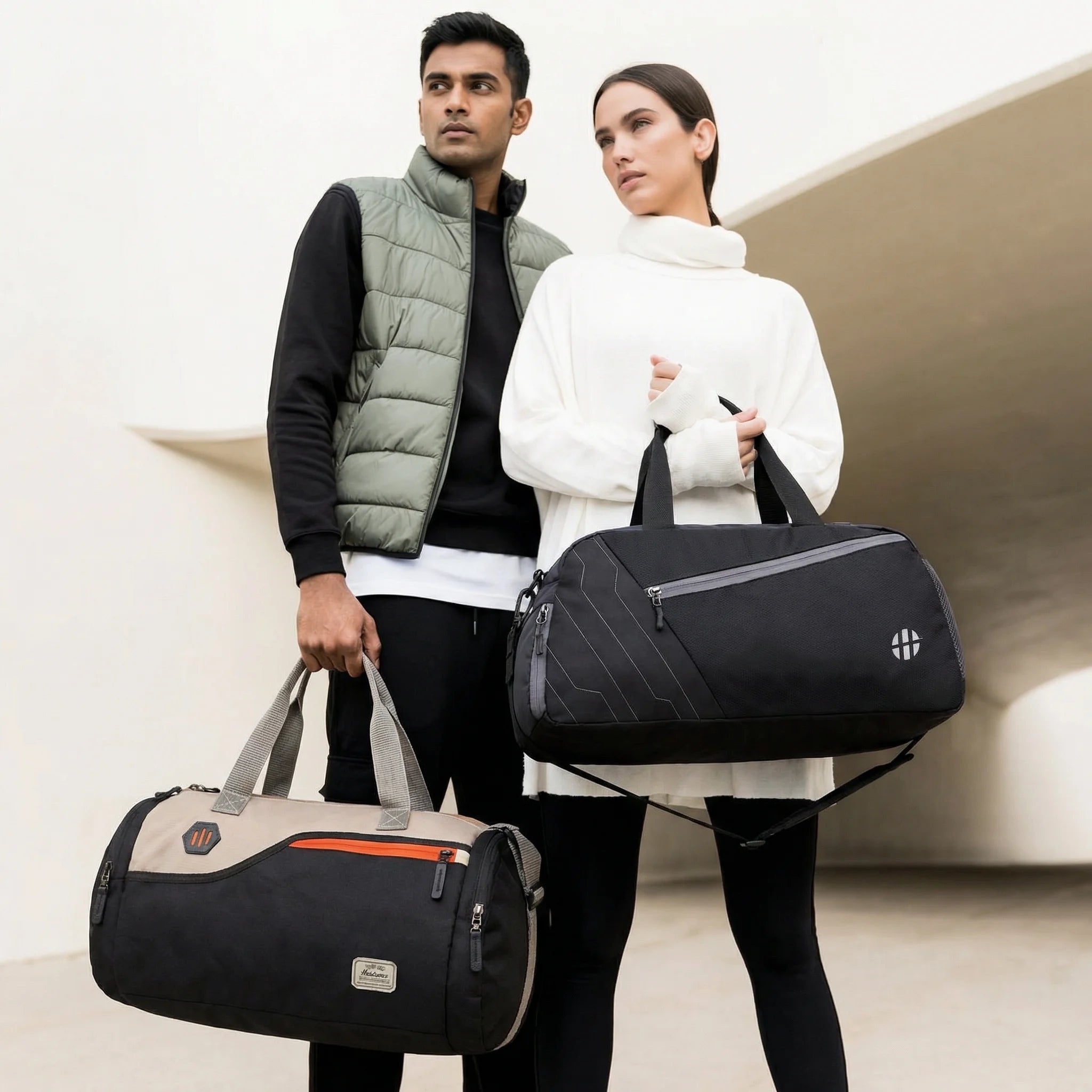

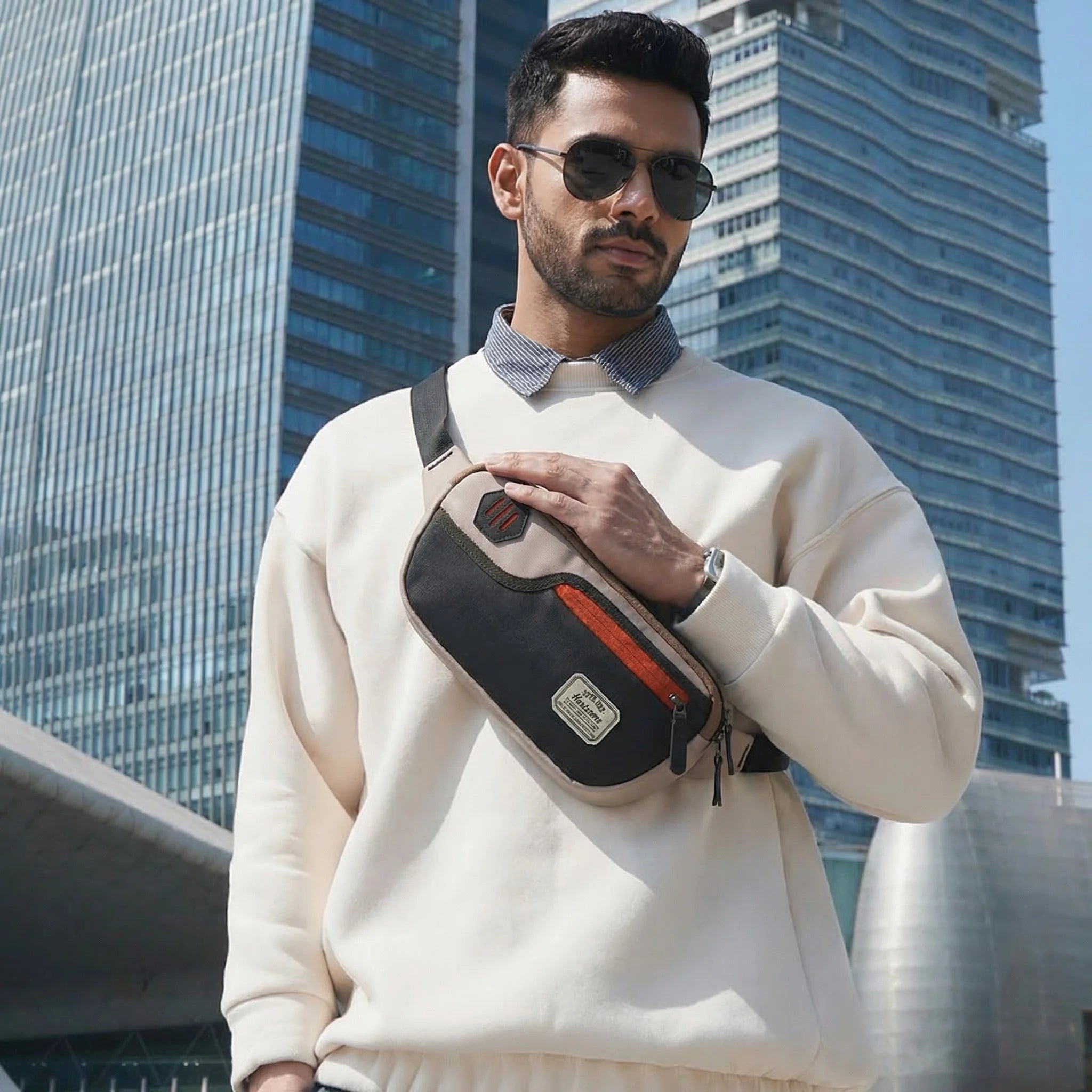
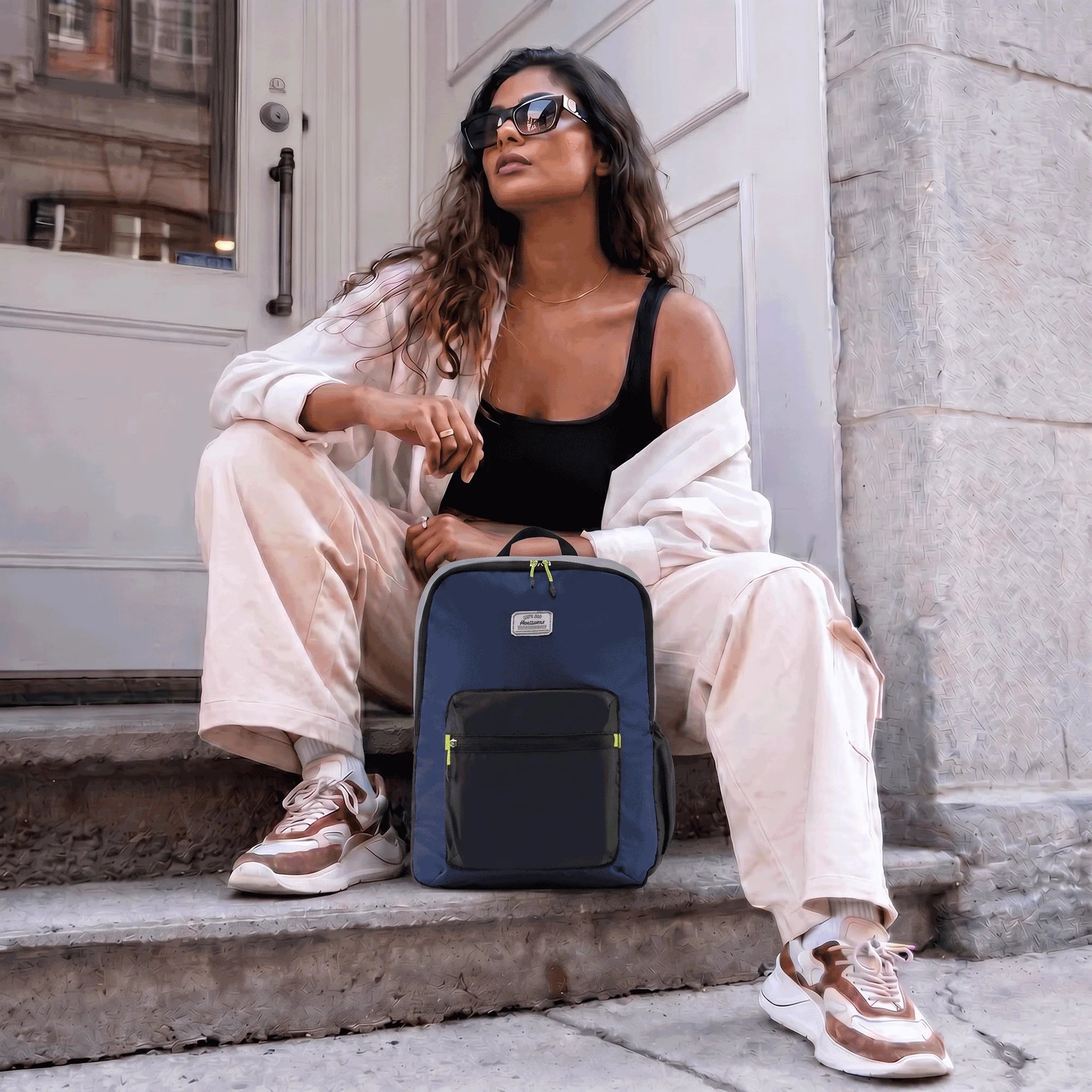


A well-designed best everyday backpack should balance storage, comfort, organization, and durability. It needs to carry your work gear without becoming a bulky burden after several hours of commuting and moving around.
Whether you're heading to the office, college, a coworking space, or multiple destinations, your backpack should be prepared for the entire journey.
What to Carry in a Backpack for a Full Day
So, what to carry in a backpack for a full day? Start with the essentials that support your actual routine. A laptop or tablet, charger, wallet, keys, smartphone, headphones, water bottle, and basic personal-care items are often the foundation.
For professionals, backpack essentials for work can also include a notebook, documents, pens, business cards, and a power bank. If you're heading somewhere after work, a compact change of clothes or light jacket can also be useful.
The key is not to pack for every possible situation. Instead, choose versatile items that you'll realistically use.
Everyday Backpack Essentials
Your everyday backpack essentials should reflect your schedule. Someone spending the day in an office may need more technology and documents, while someone constantly moving between locations may prioritize a water bottle, portable charger, and lightweight personal items.
A compact personal-care pouch can keep smaller items together without filling your main compartment with loose objects. Similarly, keeping cables and chargers organized prevents them from becoming tangled with notebooks or clothing.
For people who regularly spend many hours away from home, a backpack for long days should make these essentials easy to access.
Building the Right Work Setup
When thinking about work backpack essentials, start with your most valuable equipment. Your laptop should have a dedicated, padded compartment rather than sharing space with hard objects such as keys, bottles, or chargers.
Documents and notebooks can sit in a separate section to prevent unnecessary bending. Accessories such as a mouse, charging cable, earphones, and power bank should ideally have their own smaller pockets.
The National Institute for Occupational Safety and Health (NIOSH) provides workplace health and safety information, while the American Chiropractic Association offers useful guidance on backpack weight and carrying practices.
Choosing a Backpack for Commuting
A backpack for daily commute needs to remain comfortable even when you're carrying it for extended periods. Padded shoulder straps, a supportive back panel, balanced weight distribution, and a practical laptop compartment can make everyday travel much easier.
If you use public transport or walk significant distances, comfort becomes even more important. A best commuter backpack shouldn't feel uncomfortable simply because you've been carrying it for a few hours.
Durability also matters. Daily commuting exposes a bag to repeated handling, crowded spaces, changing weather, and frequent opening and closing.
One Backpack for Work and Travel
For people whose routines don't stop at the office, a backpack for work and travel can be especially practical. A versatile design can carry your laptop and work documents during the week while providing enough space for personal belongings during short trips.
Look for multiple compartments rather than one oversized storage area. Separating work equipment from clothing and personal items makes the backpack easier to manage.
This approach also reduces the need to maintain several bags for different parts of your routine.
How to Organize an Everyday Backpack
Knowing how to organize an everyday backpack can make a surprisingly big difference.
Keep heavier items, such as your laptop and books, closer to your back. Use smaller pockets for keys, cables, earphones, stationery, and other accessories. Frequently used items should remain easy to reach.
Try to give every category of item a consistent location. Once you develop this habit, you'll spend less time searching through your backpack.
It's also worth cleaning the bag regularly. Remove old receipts, empty bottles, unnecessary papers, and anything else that has accumulated during the week.
What to Check Before Buying
If you're planning to buy work backpack online, look beyond product photographs. Check the dimensions, material, laptop compartment, number of pockets, strap design, weight, and customer feedback.
Similarly, if you want to buy everyday backpack online, consider how the bag will fit into your actual routine. A backpack that's perfect for a weekend trip may be unnecessarily large for daily commuting.
Those looking for a premium everyday backpack India shoppers can use regularly should focus on construction quality and practical features rather than choosing a bag based solely on branding or appearance.
For travel planning, the Ministry of Tourism, Government of India is a useful official resource for information about destinations and tourism-related services.
Final Takeaway
The ideal 9-to-9 backpack isn't about carrying everything you own. It's about carrying the right essentials in a comfortable and organized way.
From your laptop and charger to water, personal items, and work accessories, every item should have a purpose and a place.
Choose a backpack that matches your routine, organize it intelligently, and remove unnecessary items regularly. Whether you're commuting to work, traveling between meetings, or staying out until evening, the right backpack can make a long day feel considerably easier.
Frequently Asked Questions
What should I carry in a backpack for a full day?
For a full day, carry essentials such as your laptop or tablet, charger, wallet, keys, water bottle, headphones, personal-care items, and any work documents you need. Add items based on your schedule rather than packing unnecessary “just in case” belongings.
What makes a good everyday backpack?
The best everyday backpack should combine comfort, organization, durability, and sufficient storage. A padded laptop compartment, multiple pockets, comfortable shoulder straps, and a supportive back panel can make it suitable for commuting, work, and everyday activities.
How do I organize an everyday backpack?
To learn how to organize an everyday backpack, give each category of item a designated place. Keep heavier items close to your back, store electronics in padded compartments, and use smaller pockets for cables, keys, stationery, and other accessories. Regularly remove items you no longer need.
What makes a backpack good for long days?
A backpack for long days should have comfortable padded straps, good weight distribution, a supportive back panel, and enough space for your essentials without becoming excessively heavy. Breathable materials can also improve comfort during long commutes.
Should I buy a separate work backpack and everyday backpack?
Not necessarily. A versatile backpack can often handle both purposes. If you regularly commute, work, and travel, choosing one well-organized backpack for work and travel can be more convenient than maintaining several separate bags.