

Knowing how to fit more in a backpack can make everyday commuting, college, work, and travel much easier. With the right arrangement, you can carry more essentials without creating an uncomfortable, overstuffed bag that looks bulky and puts unnecessary strain on your shoulders.
From choosing the right compartments to rolling clothing and reducing unnecessary items, a few simple changes can completely transform the way you pack.
So, if you're wondering how to maximize backpack space without sacrificing comfort or organization, you've come to the right place.
Why Overstuffing Your Backpack Is a Problem
An overstuffed backpack isn't just difficult to zip. It can also become uncomfortable to carry and make it harder to find what you need.
When items are packed randomly, empty pockets of space can form between them. Bulky objects may push against the backpack's exterior, while smaller essentials disappear underneath everything else.
Overpacking can also affect weight distribution. The American Chiropractic Association recommends keeping backpack loads manageable and using both shoulder straps to distribute weight properly.
That's why the goal shouldn't simply be to cram more items inside. The real goal is to pack more efficiently.
How to Maximize Backpack Space Before Packing
Before putting anything inside, take everything you plan to carry and place it in front of you.
This simple step helps you see what you're actually taking.
Ask yourself whether each item is necessary. A charger you haven't used in weeks, an extra notebook, duplicate toiletries, or several unnecessary accessories can quickly consume valuable space.
Once you've removed things you don't need, group similar items together. Keep electronics together, clothing together, and small personal items together.
This makes the next step—organizing the backpack—far easier.
Choose the Right Backpack Size
Sometimes the problem isn't your packing technique. Your backpack may simply be poorly suited to your routine.
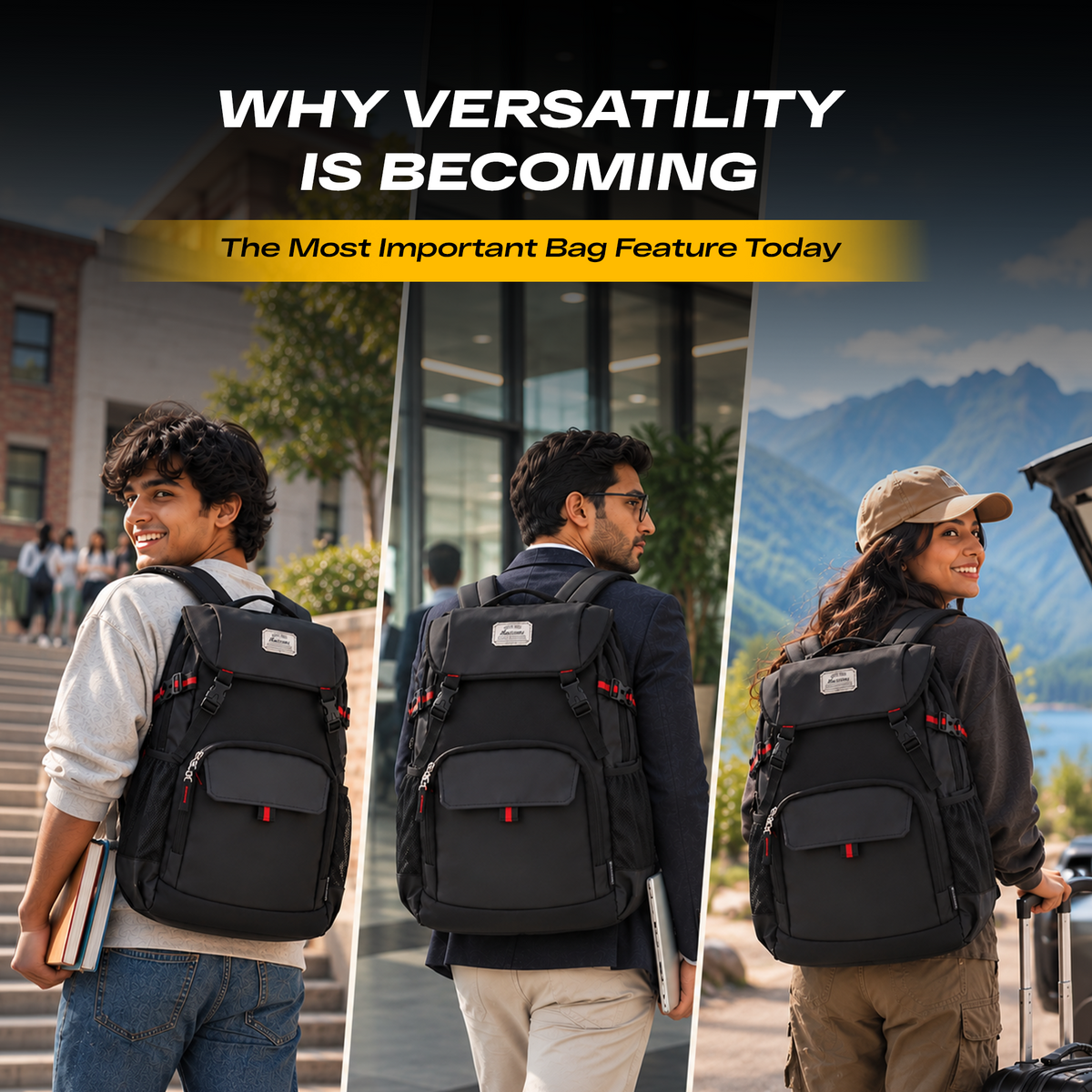
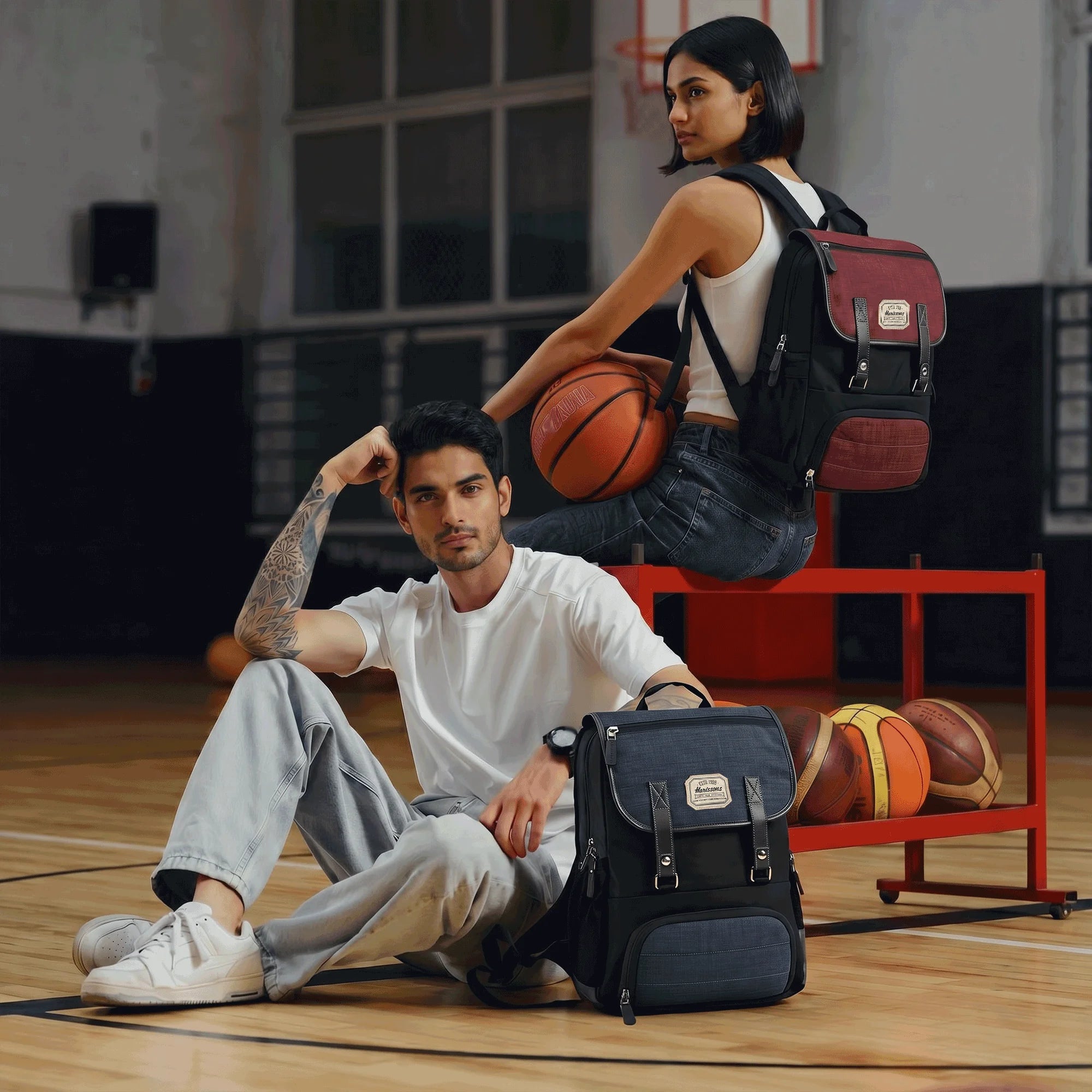
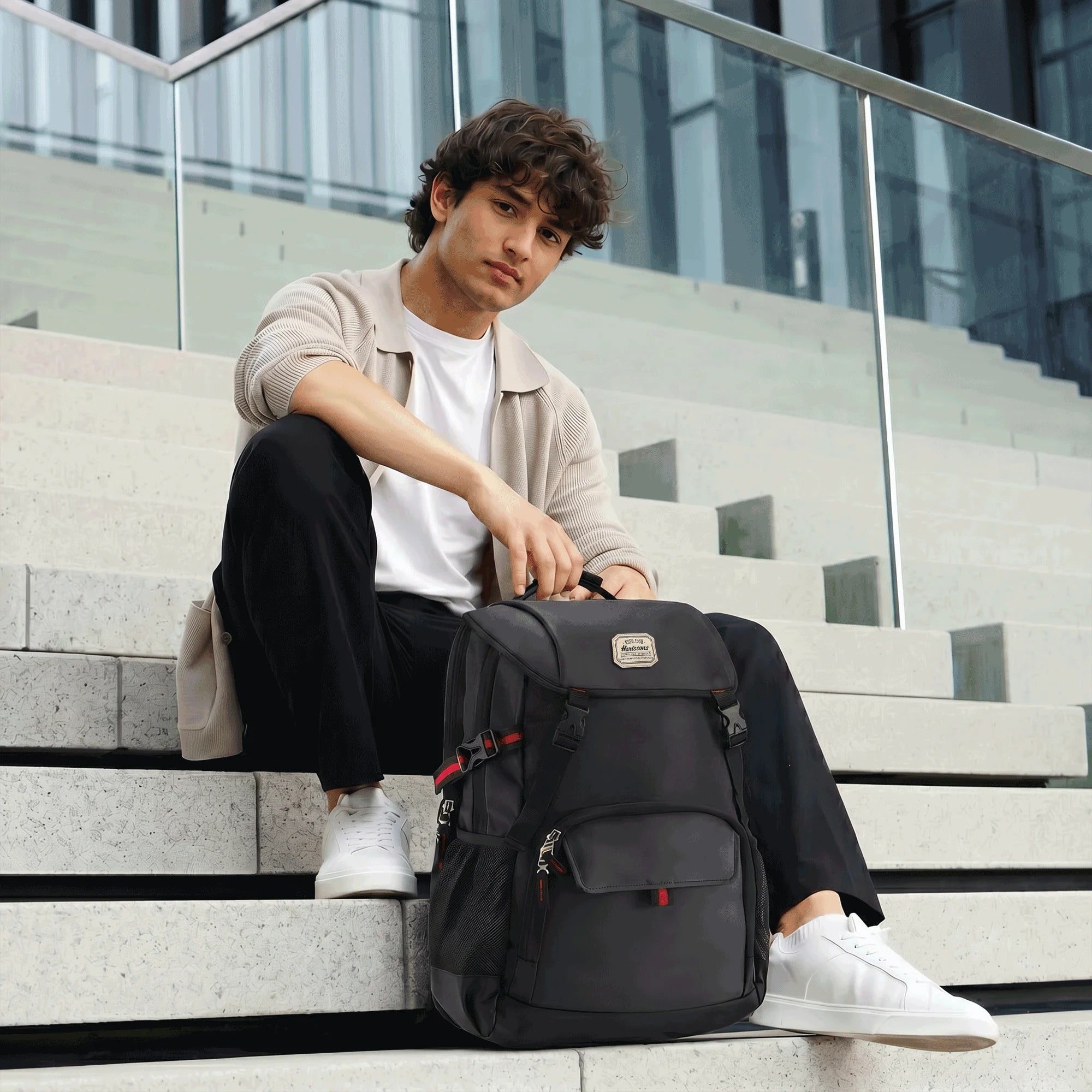
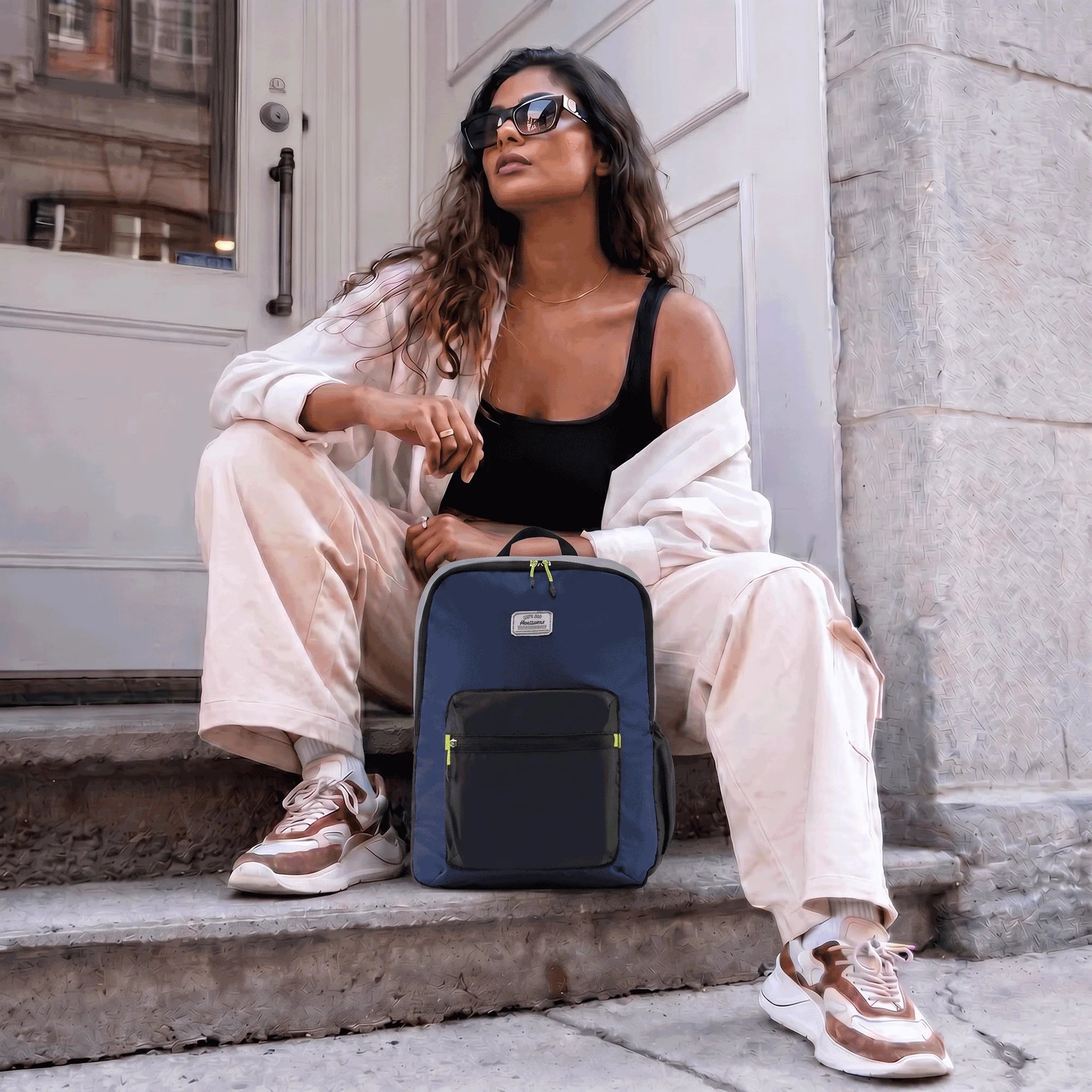
If you regularly carry a laptop, documents, clothing, accessories, and personal items, look for a best backpack with multiple compartments rather than choosing a large single-compartment bag.
Multiple compartments allow you to use the available volume more efficiently without forcing everything into one giant pile.
A spacious backpack with multiple compartments can be particularly useful because it gives different categories of belongings their own space.
Roll Soft Items Instead of Folding Them
If you're carrying clothes, rolling them can help make better use of available space.
A rolled T-shirt can fit into gaps between larger objects, whereas a folded shirt often creates a rigid block.
This doesn't mean every item needs to be rolled. Structured clothing may benefit from folding, while casual clothes, socks, and lightweight items can often be rolled.
The idea is to create flexible shapes that can occupy gaps rather than leaving large pockets of unused air.
How to Fit Everything You Need in a Backpack
The key to how to fit everything you need in a backpack is prioritization.
Start with non-negotiables: laptop, documents, wallet, phone, keys, medication, or other essentials you genuinely need. Then add items based on how likely you are to use them.
Don't pack for every possible scenario.
If you're heading to work, for example, you probably don't need three backup outfits, several notebooks, and every electronic accessory you own.
Pack according to your actual plans rather than your “just in case” worries.
Why Multiple Compartments Make Packing Easier
A good compartment system can make a major difference.
Instead of treating your backpack as one large container, think of it as several smaller storage zones.
This is particularly useful for people looking for the best backpack for work and travel, because work and travel usually involve different categories of belongings.
Your laptop and work documents can stay protected while clothing, accessories, and other travel essentials occupy the main compartment.
This approach also prevents smaller items from disappearing beneath heavier belongings.
How to Pack a Backpack Without Overstuffing
If you want to know how to pack a backpack without overstuffing, stop thinking about capacity alone and start thinking about efficiency.
A backpack should close naturally without forcing the zipper. Its exterior shouldn't bulge dramatically, and the contents shouldn't press uncomfortably against your back.
If the backpack is constantly packed to its limit, consider whether you need a different capacity or a more organized design.
For people who regularly carry work and travel essentials, buying a backpack with thoughtful storage can be more useful than simply buying the biggest backpack available.
Buying a Spacious Backpack Online in India
If your current bag constantly feels cramped, it may be time for an upgrade.
When you buy spacious backpack online India, don't judge the bag only by its advertised capacity. Look closely at the compartment layout, laptop sleeve dimensions, opening style, shoulder straps, material, weight, and overall construction.
A 30-liter backpack with poor organization may feel less useful than a slightly smaller backpack with intelligently designed compartments.
Final Takeaway: Pack Smarter, Not Bigger
Learning how to fit more in a backpack isn't about squeezing every last inch until the zipper begs for mercy.
It's about making better decisions.
Remove unnecessary items, organize belongings by category, place heavier objects close to your back, use vertical space, roll flexible clothing, fill small gaps, and make every compartment serve a purpose.
If you consistently struggle with space, choosing a spacious backpack with multiple compartments may also solve the problem at its source.
Ultimately, the smartest backpack isn't the one that holds the most stuff. It's the one that helps you carry what you actually need comfortably, efficiently, and without becoming an overstuffed mess.
Frequently Asked Questions
-
How can I fit more in a backpack without making it bulky?
Remove unnecessary items first, then organize belongings by size and weight. Use vertical space, fill gaps with soft items, and place heavier objects close to your back. Avoid carrying duplicate or rarely used items. -
What is the best way to organize a backpack?
Assign a purpose to each compartment. Keep laptops and documents in protected sections, larger belongings in the main compartment, and small accessories in dedicated pockets. Keeping items in consistent locations also makes them easier to find. -
Does a backpack with multiple compartments save space?
Yes, when the compartments are thoughtfully designed. They can prevent belongings from forming one large pile and help you use different areas of the backpack more efficiently. -
How do I pack a small backpack efficiently?
Prioritize essential items, choose compact accessories, use flat spaces, roll soft clothing, and fill gaps between larger belongings. Avoid bulky containers and items you won't realistically use. -
Is a spacious backpack better for work and travel?
It can be, especially if you regularly carry a laptop, work materials, clothing, and personal essentials. However, organization and comfort are just as important as capacity. A well-designed medium-sized backpack can sometimes be more practical than a very large one.